-
4 min read
Why a Higher Durability Rating Does Not Always Mean a Better Choice for Your Home
Here is what a durability or AC rating actually tells you, and where it stops being useful information.
Here is what a durability or AC rating actually tells you, and where it stops being useful information.
Here is what actually goes into choosing a direction, and why the common rules of thumb do not apply the same way in every room.
Here is what actually separates them and why that difference shapes how each one performs in a desert climate.
These two products get used almost interchangeably in casual conversation, but they solve movement problems in genuinely different ways. Here is what actually separates them and why the distinction matters more than the name suggests.
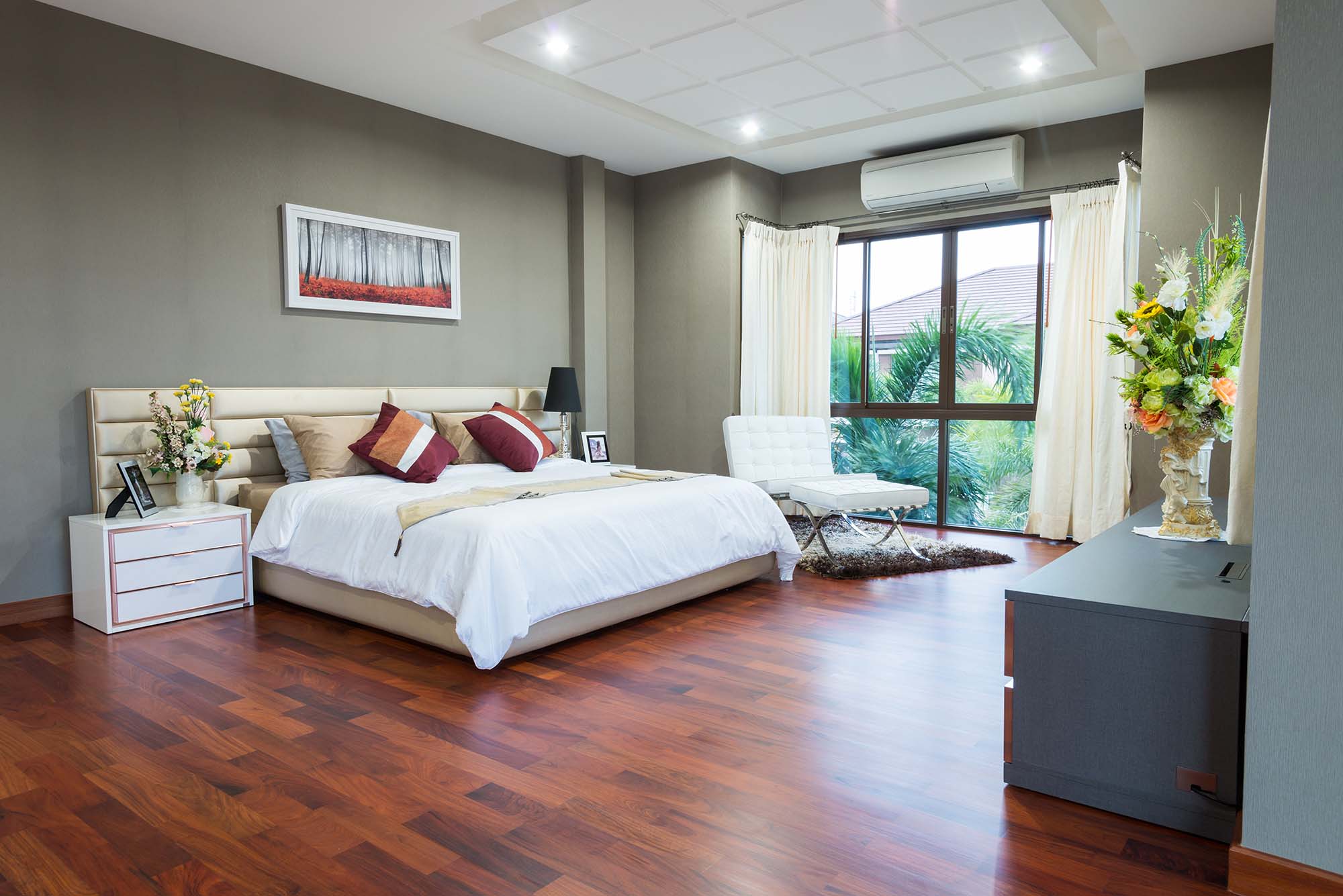
Here is what happens to each material when a home sits empty, and what seasonal residents typically do instead.
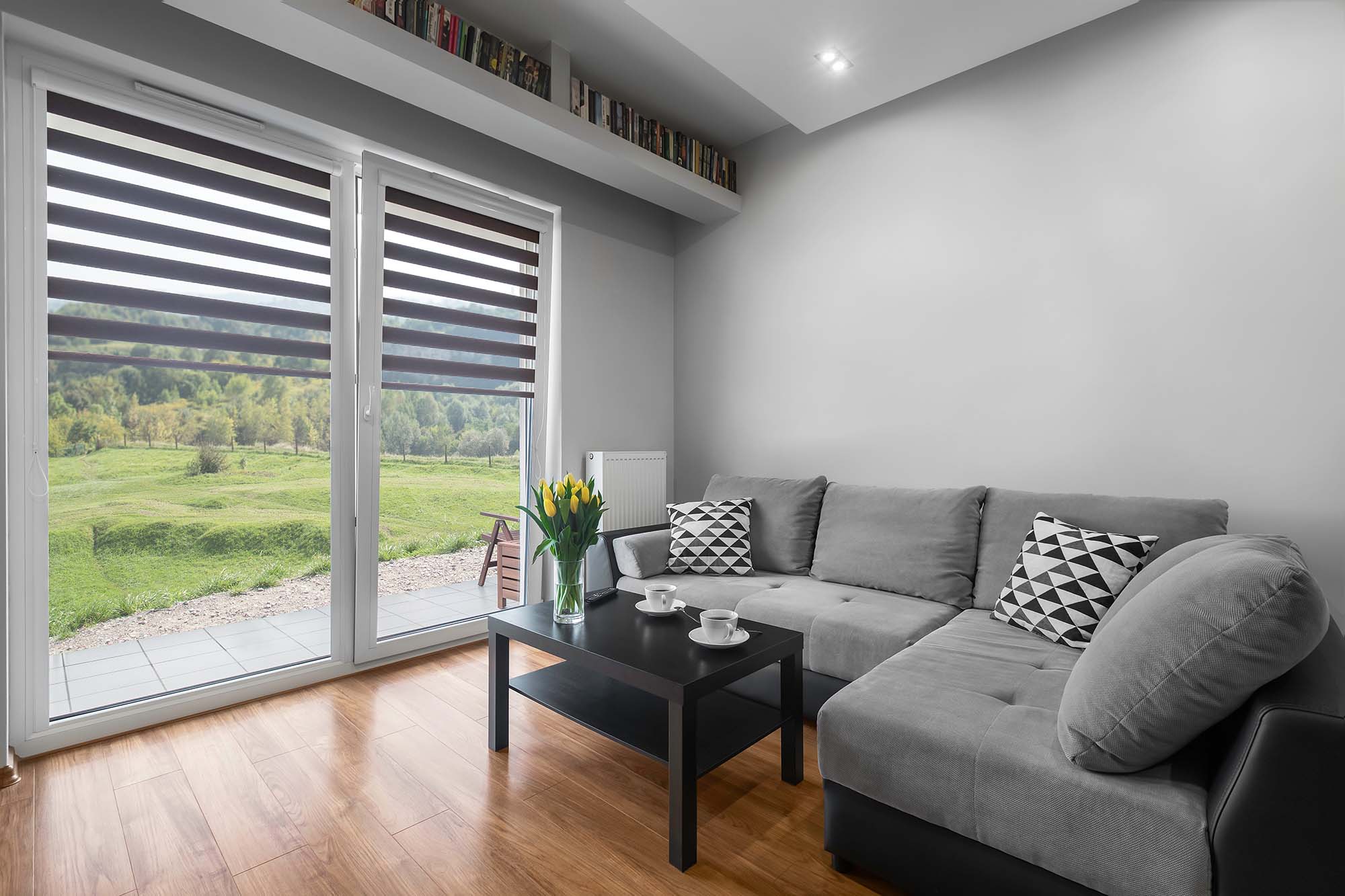
Both tile and laminate are hard surface floors, which already puts them ahead of carpet for dust and allergen buildup. Here is where the two genuinely differ once you factor in Tucson's dust load and how each floor is actually maintained.
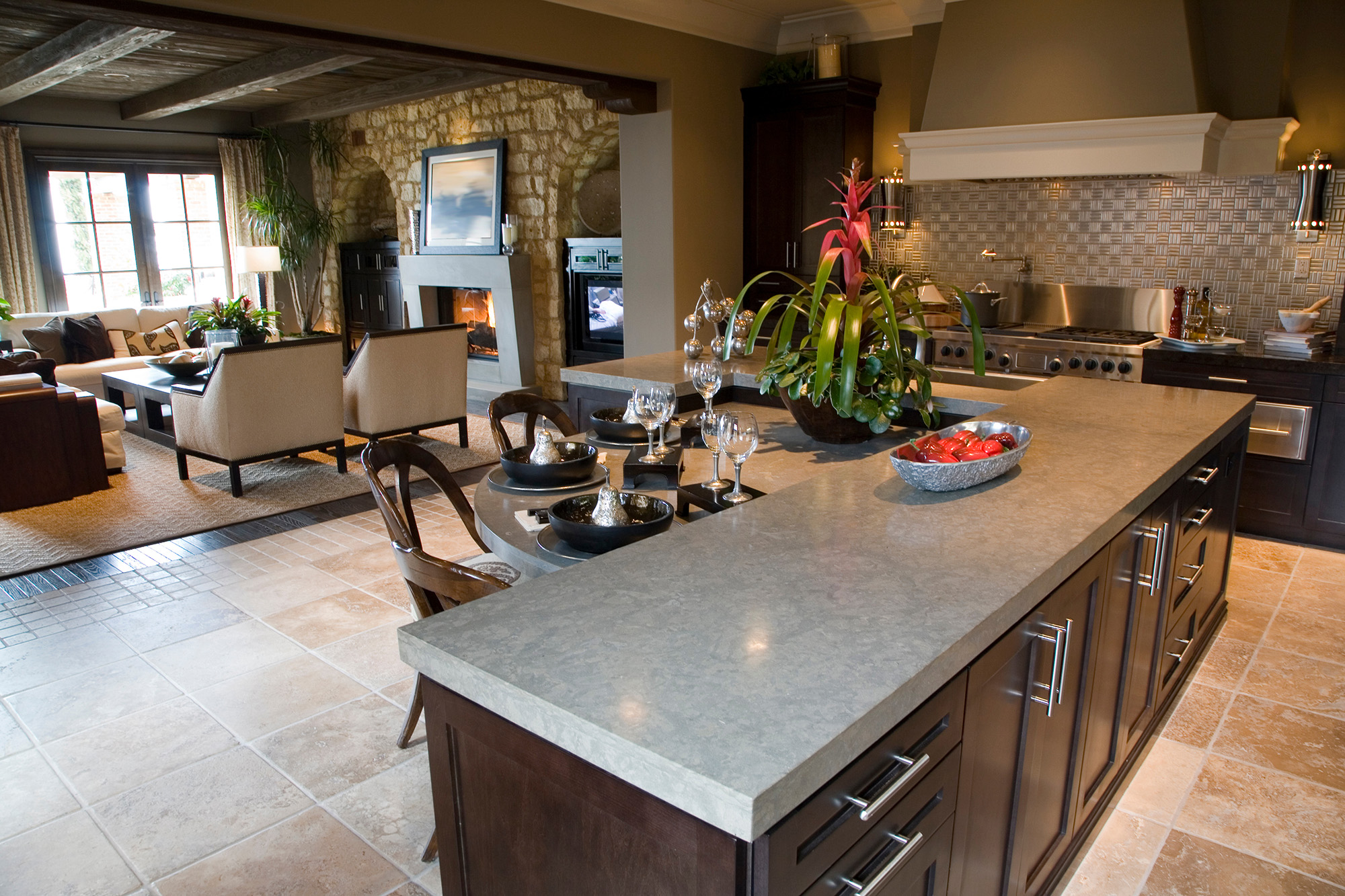
Tile cracking usually shows up in a predictable spot first, and it is rarely the tile itself that is at fault. Here is why the edges of a room move more than the center, and what that means for a Tucson slab.
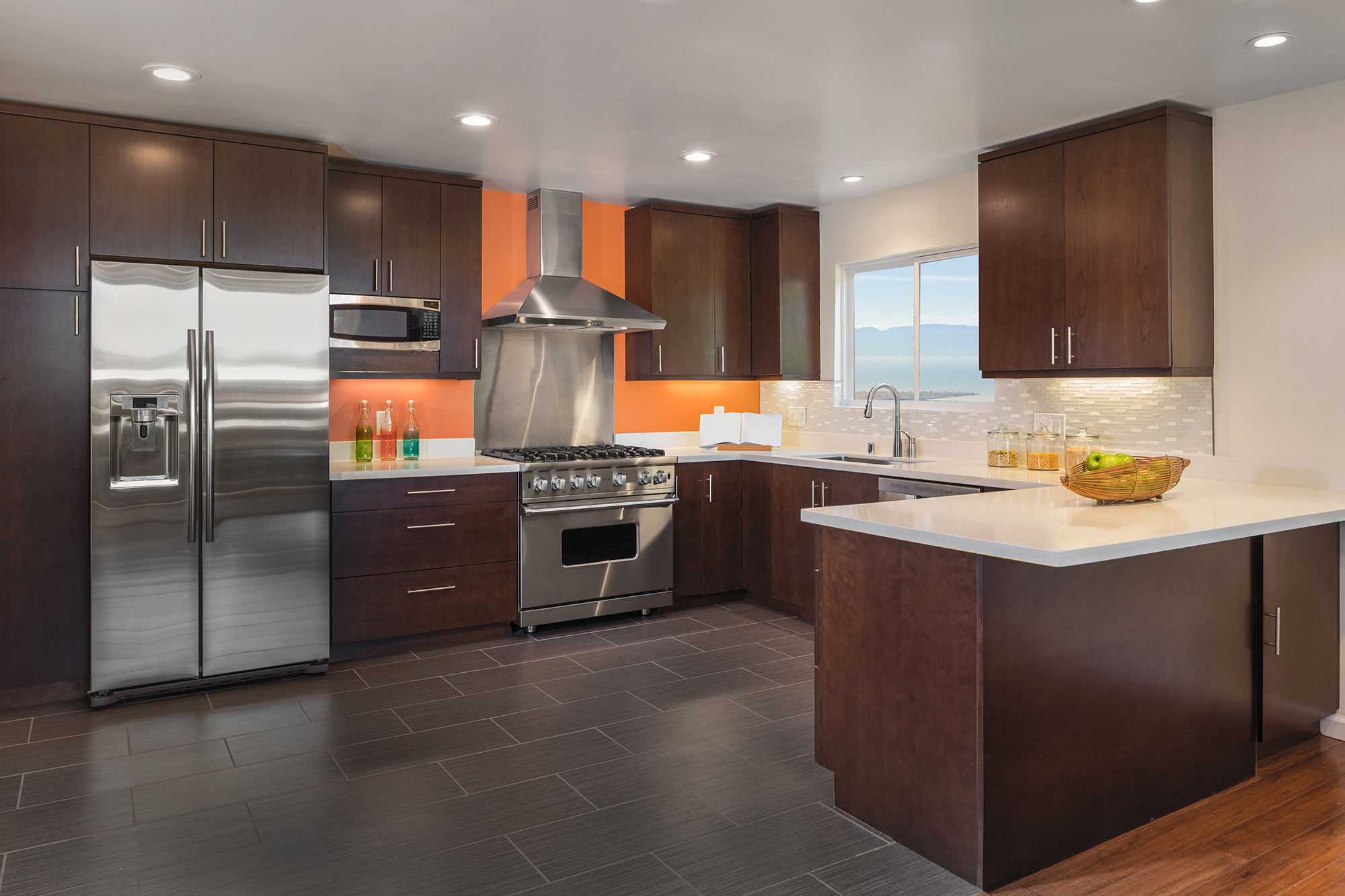
Slip resistance is a measurable property, not a guess based on how a tile looks or feels in the showroom. Here is what the industry actually tests for, and why the answer is more specific than choosing a rougher looking tile.
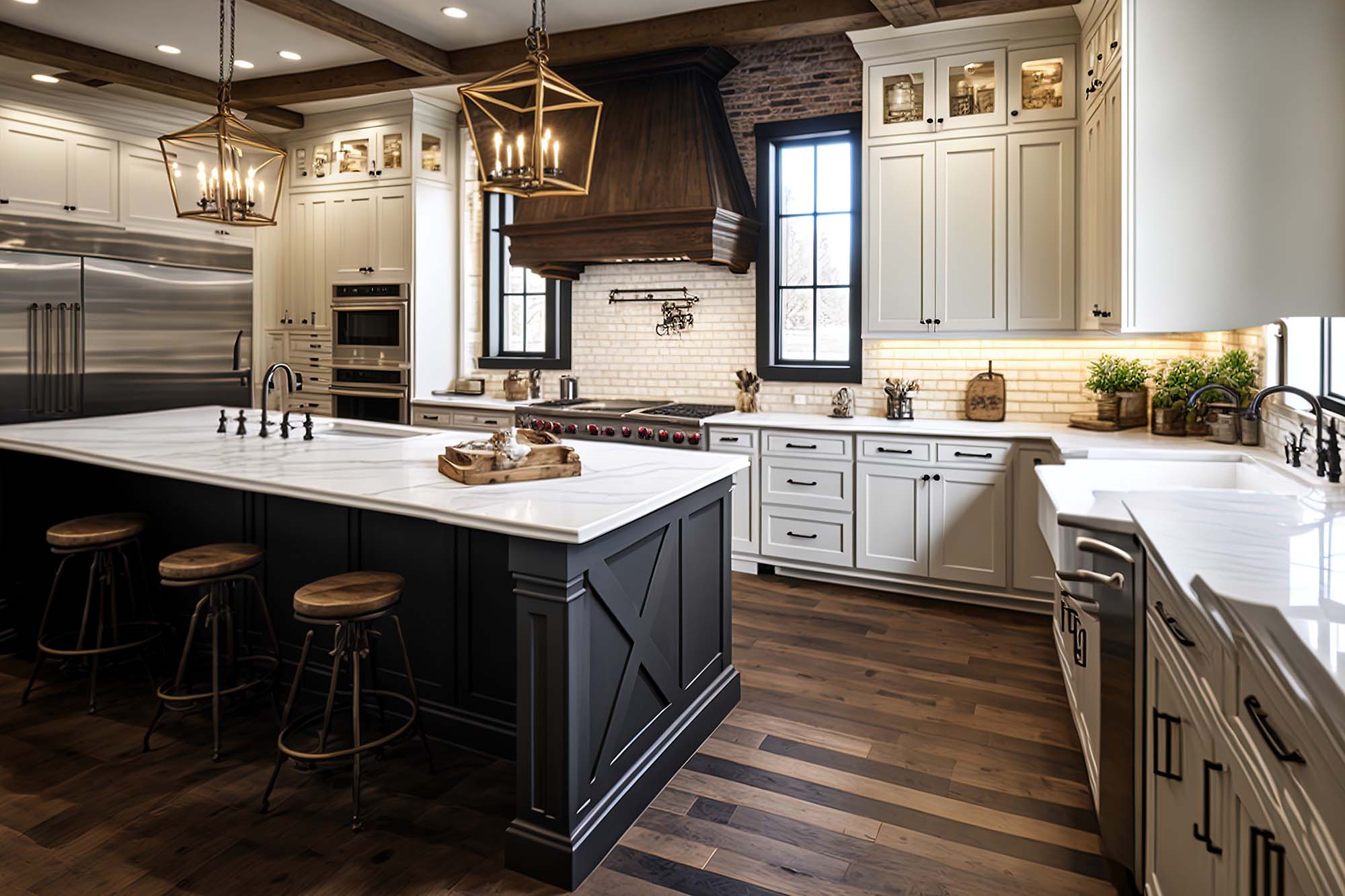
Whether laminate flooring should run under your cabinets or stop at their edges depends on your project scope, not personal preference. Here is what actually determines the right sequence and why it matters for how your kitchen holds up over...
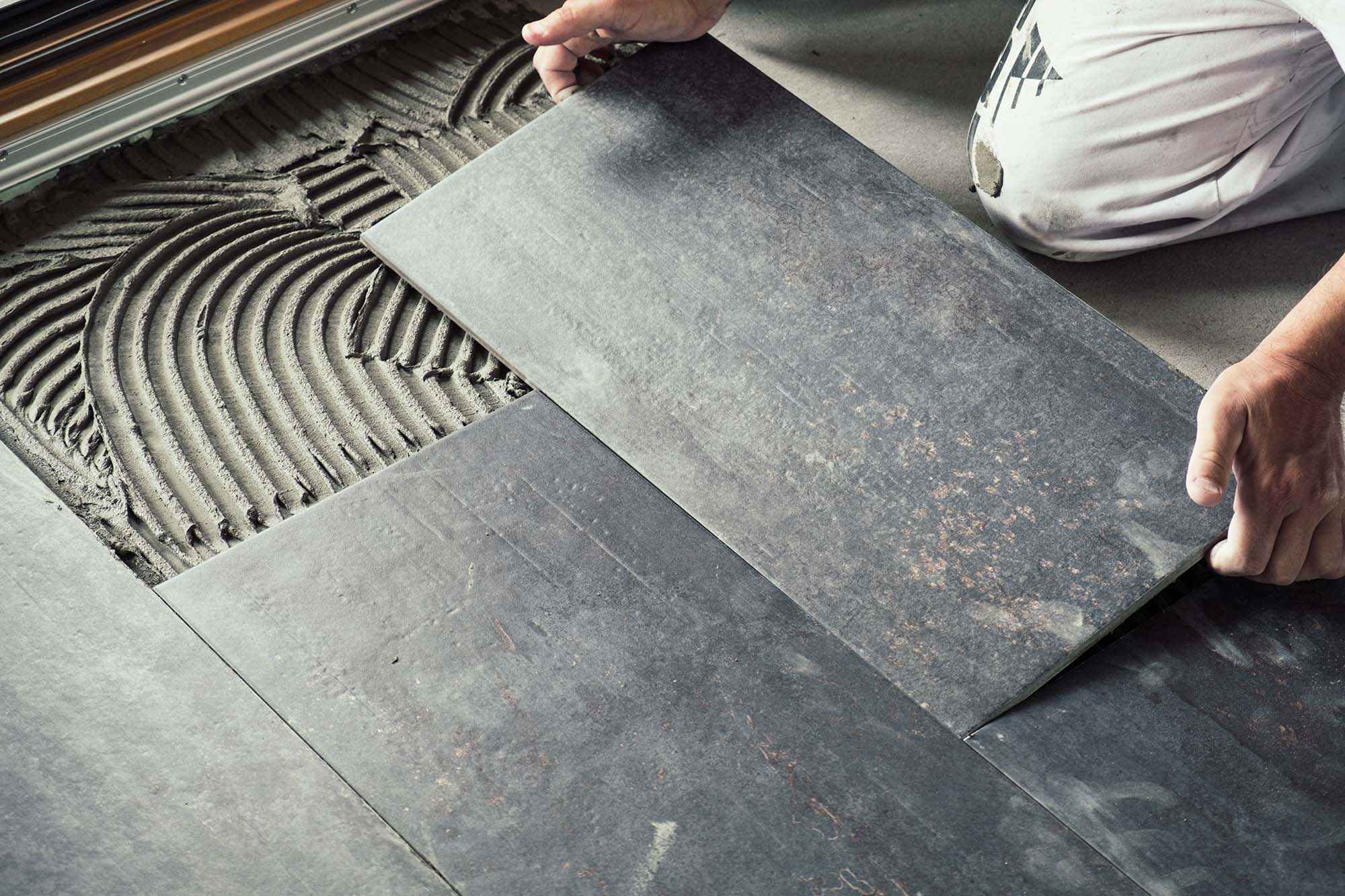
Slab movement is a real factor for Tucson tile installations, and tile size changes how a floor responds to it. Here is how large format and standard size tile actually compare when it comes to long term durability.