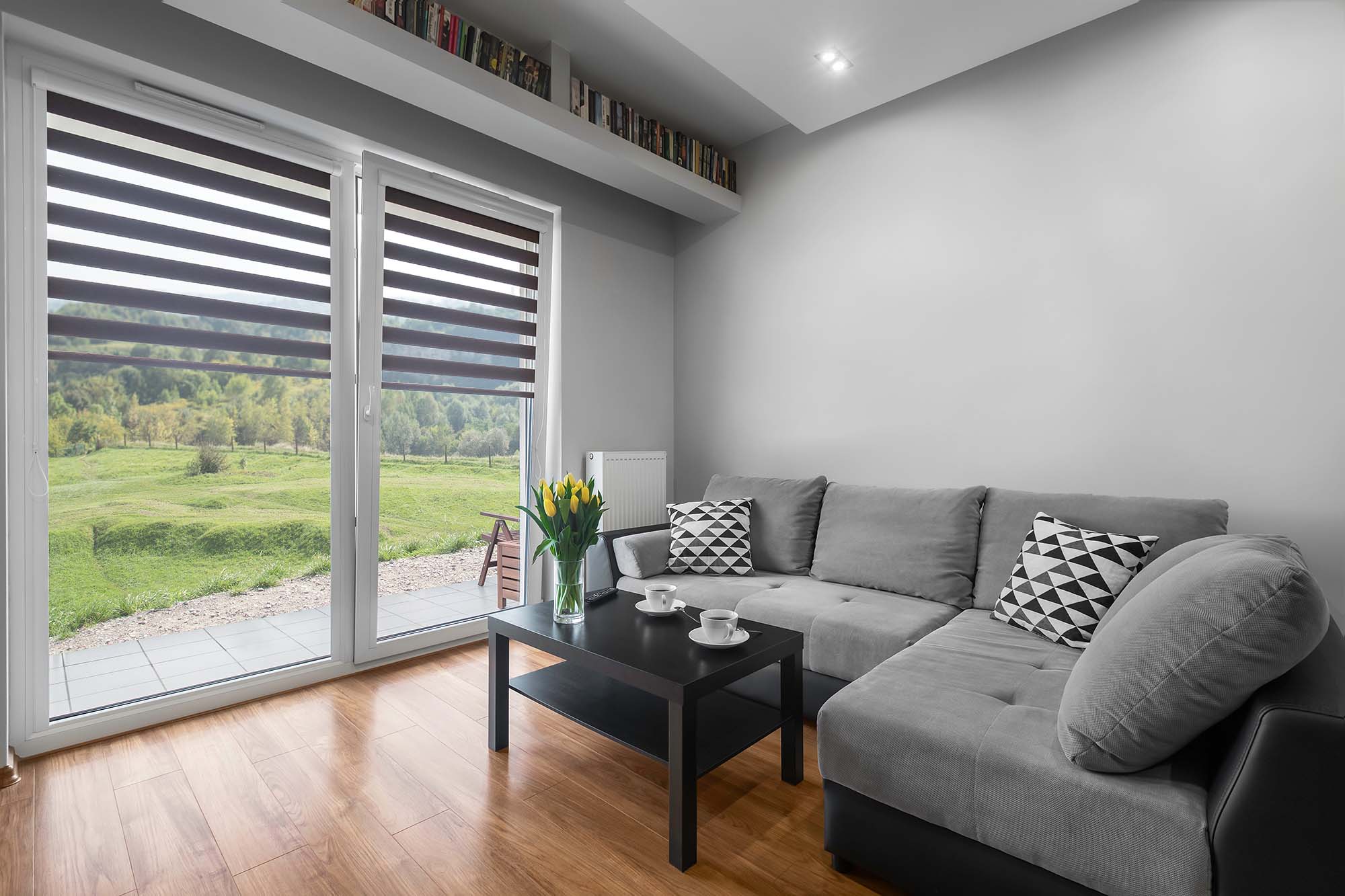
Hard Surfaces Solve the Biggest Part of the Problem Already
Carpet fibers trap dust, pollen, and pet dander deep in the pile, where they stay put until a vacuum with real suction pulls them back out. Tile and laminate do not have that structure at all, so dust that settles on either surface stays on top, where it is easy to see and easy to remove with regular sweeping or a damp mop.
This is the main reason both materials show up so often in recommendations for allergy-conscious households. The real question for a desert climate like Tucson is not whether tile or laminate traps allergens, since neither one does in any meaningful way, but which one handles the specific dust conditions here with less day to day effort.
Where Tile's Grout Lines Come Into the Picture
Tile itself is completely non-porous once glazed, but the grout between tiles is a different material entirely, and it is naturally porous. Fine desert dust settles into that texture over time, and unsealed or poorly sealed grout can hold onto it in a way the tile surface itself never would.
A properly sealed grout line largely closes this gap, which is why sealing schedule matters more for allergy-sensitive households in a dusty climate than it might elsewhere. This is a maintenance factor rather than a flaw in tile as a material, but it is a real point of difference worth knowing about before you assume all tile floors behave identically once installed.
Where Laminate's Seams and Static Come Into the Picture
Laminate is a sealed, seamless-feeling surface across each plank, but it does have seams between boards, and those seams can collect fine dust in a way a single continuous tile surface does not. In a low-humidity environment like Tucson, some laminate surfaces can also develop a mild static charge, which can cause dust to cling to the floor slightly more than it would in a more humid climate.
Neither of these effects makes laminate a poor choice for a dust-sensitive household. It simply means the maintenance habit that matters most for laminate is regular dry dust mopping to lift settled dust before it works into seams, rather than the wet mopping and grout sealing conversation that applies to tile.
The Difference Comes Down to the Cleaning Routine, Not the Material
Neither tile nor laminate has an inherent advantage in trapping or releasing allergens once you get past the grout and seam details above. What actually changes the day to day experience in a dusty desert climate is which cleaning routine fits a household better, since each floor responds best to a slightly different regular habit.
A household that already mops regularly and does not mind resealing grout every couple of years may find tile fits naturally. A household that prefers dry dust mopping and wants to avoid standing water on the floor at all may lean toward laminate for the same reason. Both are genuinely solid choices for reducing allergen exposure compared to soft flooring.
What This Means for Room by Room Decisions
Many Tucson homes end up using both materials, and that is a reasonable way to approach an allergy-conscious household rather than picking one floor for the entire house. Entryways and kitchens, where outdoor dust enters most directly, are natural spots for tile and its easier wet-cleaning routine, while bedrooms and living areas often suit laminate's warmer feel and simpler dry maintenance.
There is no single correct answer that applies to every home, since household routines and existing allergy sensitivities vary quite a bit. It is worth thinking through actual daily habits room by room rather than assuming one material needs to win out across the whole house.
Choosing flooring with allergies and dust in mind comes down to matching the material to how your household actually cleans and lives day to day. Our team can walk through both options honestly, room by room, based on what will realistically get maintained.
Complete Flooring works with homeowners across Tucson, Oro Valley, Marana, Saddlebrook, and Green Valley, AZ who are navigating exactly this kind of decision. Visit Tucson, AZ to compare tile flooring and laminate flooring side by side, or contact us to talk through what fits your home.