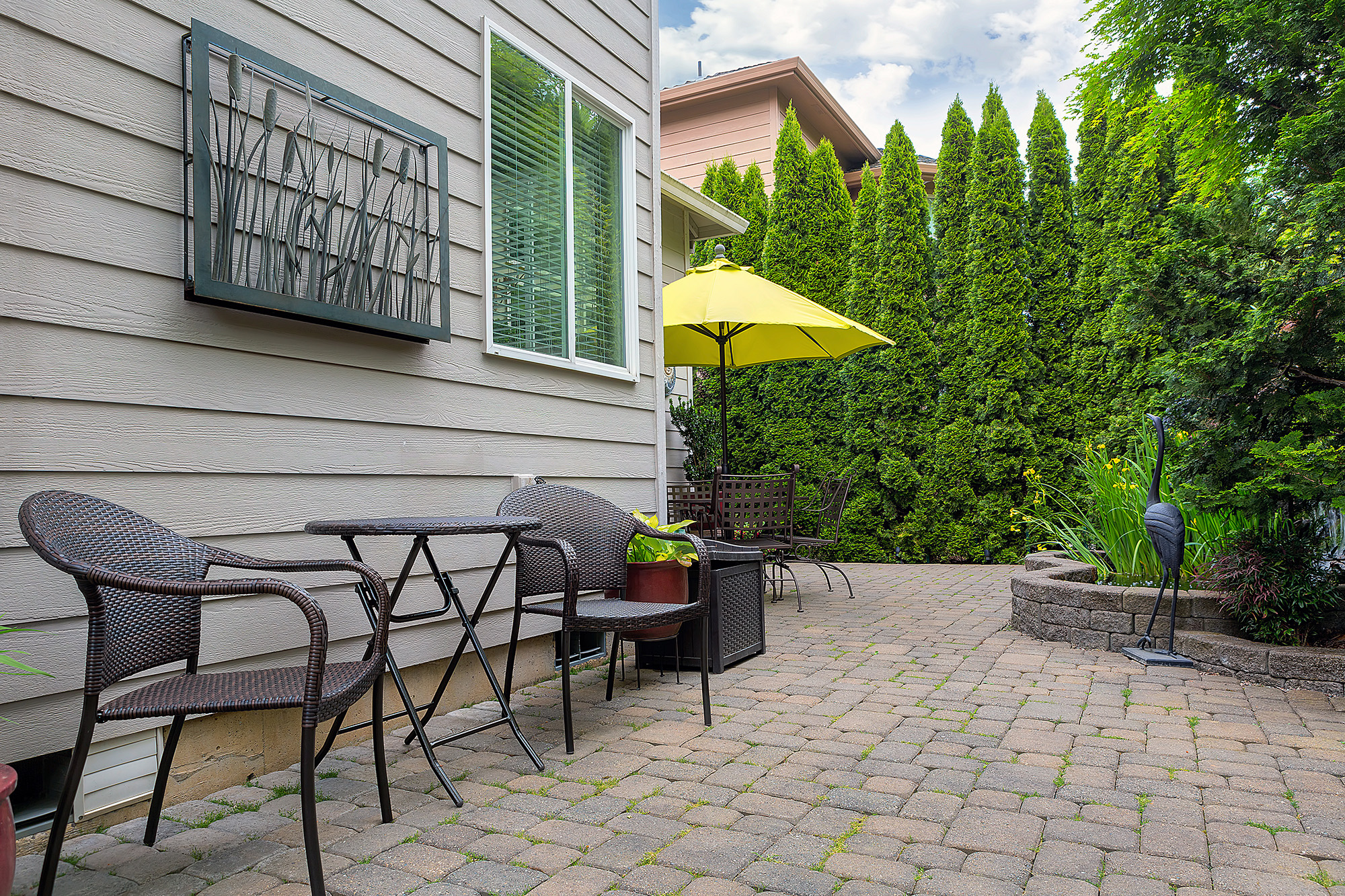
Indoor tile and outdoor porcelain pavers may look similar in a showroom, but they are not built for the same job. A tile that performs beautifully in a kitchen or hallway can be the wrong choice for a patio, pool approach, or covered outdoor living area. The difference is not only style. It is thickness, surface texture, water exposure, temperature movement, installation method, and how the floor handles weight over time.
That matters in Tucson because outdoor flooring deals with more than normal foot traffic. Patio surfaces can face direct sun, dusty wind, monsoon moisture, furniture legs, grill areas, sliding glass doors, and temperature swings between day and night. Choosing outdoor porcelain pavers with the right technical specs helps prevent premature cracking, slippery surfaces, awkward drainage, and a floor that looks good on day one but struggles in real outdoor use.
Outdoor pavers are usually thicker for a reason
Many indoor porcelain tiles are made for direct bonding over a properly prepared interior substrate. Outdoor porcelain pavers are often produced in thicker 2CM formats because patios and exterior areas can place more stress on the surface. A thicker paver gives the material better breaking strength and impact resistance, especially when used in spaces with patio furniture, planters, rolling carts, or exterior traffic.
Thickness also matters because outdoor porcelain pavers may be installed in different ways. Some are mortar set over concrete, while others may be used over gravel, sand, grass, or pedestal systems depending on the product and project design. Indoor tile is not automatically rated for those conditions, even when it is porcelain. That is why the product specification sheet matters more than the visual sample.
Slip resistance should be chosen for the actual setting
A patio surface should not be judged only by whether it feels smooth in your hand. Outdoor floors can become slippery from rain, pool water, irrigation overspray, fine dust, or wet shoes. That is why exterior pavers often use textured finishes and outdoor-rated slip resistance classifications instead of the smoother finishes commonly used indoors.
Covered patios still need this attention. A roof may reduce direct rainfall, but it does not stop windblown rain, monsoon splatter, wet feet, or dust that turns slick when moisture hits it. For Tucson homeowners, the right outdoor tile should balance grip with cleanability. A surface that is too smooth can be risky, while a surface that is too aggressive can trap dirt and feel rough under bare feet.
Heat, sunlight, and exposure change the performance question
Indoor tile lives in a controlled environment. Outdoor pavers do not. Even shaded patios can deal with heat transfer, UV exposure, dust, and thermal movement. A dark paver near a sliding door may absorb more heat than expected, while a lighter paver can reduce surface temperature but show certain types of dust and leaf debris more clearly.
This is where outdoor-rated porcelain becomes useful. Quality exterior pavers are designed to resist fading, staining, moisture, and weather exposure better than many natural materials. Still, the right choice depends on where the paver will be installed. A north-facing covered patio, a west-facing grilling area, and a pool walkway all ask slightly different things from the surface.
Installation details matter as much as the tile itself
Outdoor pavers need the right substrate, slope, drainage, setting material, joint spacing, and perimeter movement planning. If water has nowhere to go, even a strong porcelain product can become part of a frustrating patio problem. If the installation ignores movement, heat and substrate conditions can create stress in the floor system.
This is especially important where indoor floors meet exterior patios. The transition at a sliding glass door needs careful planning so the outdoor surface drains correctly, sits at the right height, and does not create a trip edge. A good installation is not just about laying tile straight. It is about building a surface that behaves well through heat, water, and daily use.
Outdoor porcelain pavers are not just thicker versions of indoor tile. They need the right technical specs for exterior exposure, including thickness, slip resistance, installation method, surface texture, drainage, and movement planning. For Tucson homes, those details can make the difference between a patio that simply looks finished and one that actually works.
Visit Complete Flooring at Tucson, AZ to compare outdoor porcelain pavers, indoor tile options, and patio-friendly finishes in person. We serve Tucson, Oro Valley, Marana, Saddlebrook, and Green Valley, AZ and can help you choose the right surface for your home, lifestyle, and installation conditions. Contact us when you are ready to plan your outdoor flooring project with a team that understands the details before the first tile is set.