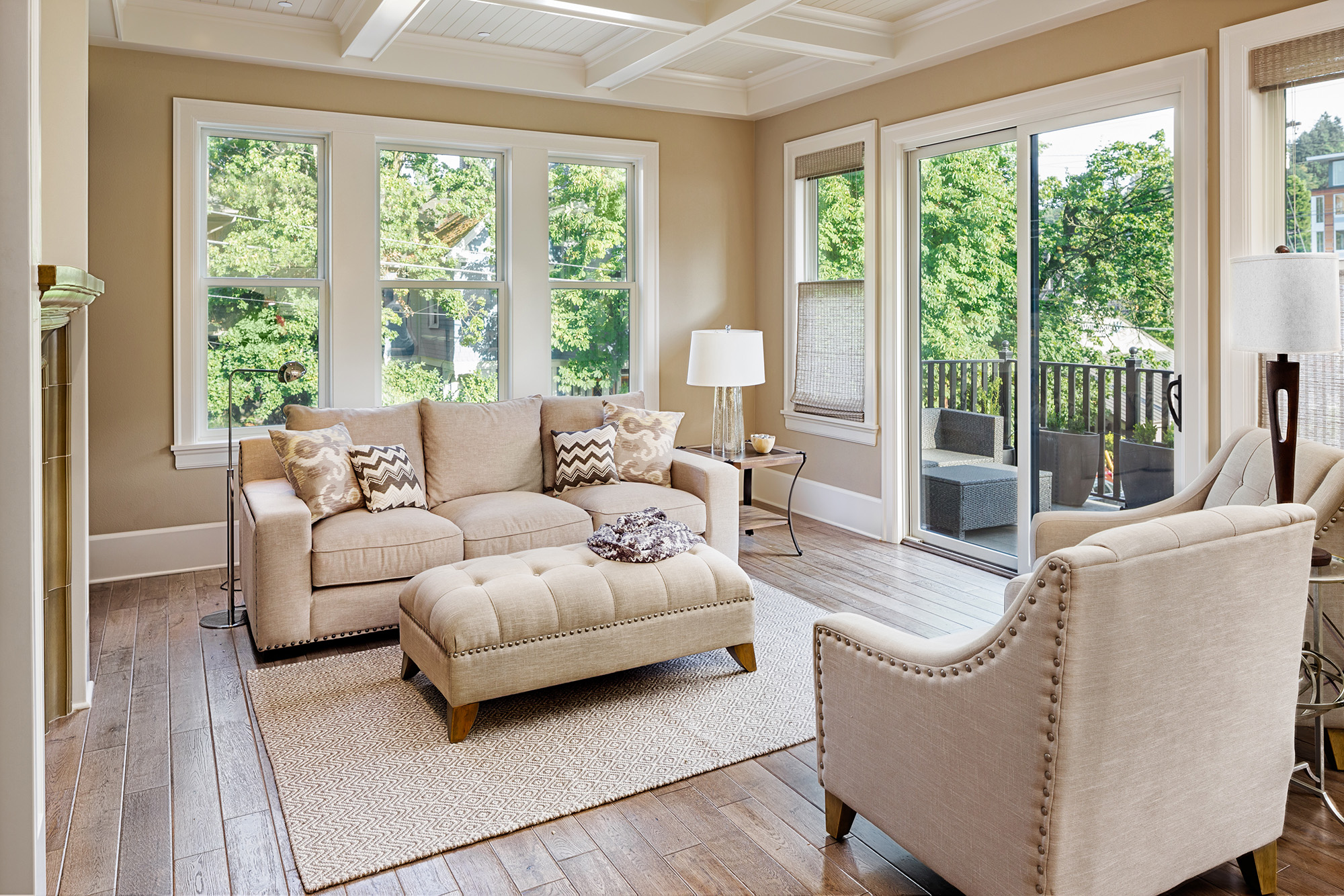
Casitas and guest suites do a very specific job. They need to feel comfortable fast, look finished without feeling overbuilt, and stay easy to maintain whether someone is using the space every day or only a few times a month. In Tucson, that decision gets even more specific because heat, dust, and frequent indoor-outdoor movement all affect how a floor performs over time.
For many homeowners, the best flooring for a casita or guest suite comes down to two strong contenders: tile and laminate. At Complete Flooring, we help homeowners compare those options based on how the room is actually used, not just how a sample looks under showroom lighting.
Why flooring performance matters more in a guest space
A guest suite often has a different pattern of use than the main house. It may sit empty for periods, then suddenly handle luggage, shoes, spills, and frequent cleaning. In some homes, the casita also functions as a home office, a rental suite, or a flexible room for aging parents.
That means the right floor should do four things well:
stay stable in Tucson’s dry heat
clean up easily after guests leave
feel comfortable underfoot
hold its appearance with minimal upkeep
The best choice usually depends on whether the room includes a bathroom, kitchenette, exterior entry, or direct access to a patio.
Why tile is often the safest long-term choice
Tile is a strong fit for Tucson casitas because it handles heat very well, does not swell from minor moisture exposure, and offers a cooler surface underfoot during warm months. Porcelain tile is especially useful because it is dense, durable, and well suited to spaces with exterior doors or bathroom access.
Tile works best in guest suites when you need:
Better cooling performance
Tile tends to retain less surface warmth than many soft or wood-based materials. In a detached casita or sun-exposed guest room, that can help the space feel more comfortable, especially when paired with shade control and proper HVAC.
Easier turnover cleaning
Dust, tracked-in grit, and small spills are usually easier to remove from a quality tile floor than from many other materials. A low-porosity porcelain surface is especially practical for quick resets between guests.
More moisture tolerance
If the room includes a bathroom, beverage station, or exterior entry, tile reduces risk. It does not have a fiberboard core, so it is not vulnerable to edge swelling in the way lower-grade laminate products can be.
When laminate can still be a smart option
Laminate is worth considering if the goal is a warmer visual finish and a slightly softer walking feel in a dry sleeping area. It can work very well in guest bedrooms without high moisture exposure, especially when the homeowner wants a wood-look floor without the maintenance profile of real hardwood.
Laminate is often a good fit when you want:
A more residential bedroom feel
Many homeowners prefer laminate in sleeping spaces because it visually softens the room. It can make a guest suite feel less hard-surfaced and more relaxed.
Budget control without sacrificing appearance
A good laminate can deliver a convincing wood look at a lower installed cost than many premium tile layouts. For a larger guest suite, that can make the overall remodel budget easier to manage.
Faster installation in the right conditions
In a clean, level, dry interior space, laminate can often be installed efficiently, especially when the slab is in good condition and the room does not require complicated tile prep.
What to check before choosing tile or laminate
The right answer is not just about product type. It is about room conditions, installation details, and how the suite functions.
Check the entry path
If guests enter directly from outside, tile has a clear advantage. Tucson dust and fine grit act like abrasives. Tile is generally better at handling repeated sand and debris near thresholds.
Check whether the suite has a bathroom
If yes, tile becomes more attractive for continuity and water resistance. Some homeowners choose tile in the whole suite for a cleaner, more unified maintenance routine.
Check slab condition
Large-format tile needs a flatter substrate than many people expect. Laminate also depends on floor prep, especially to avoid movement, hollow spots, or locking-system stress. Subfloor prep matters either way.
Check sound expectations
Tile reflects sound more than laminate. In attached guest suites or rooms above other living areas, that may affect comfort. Laminate with a quality underlayment can slightly soften footfall sound, though it is not a substitute for real acoustic assembly design.
A practical recommendation for most Tucson guest spaces
For detached casitas, guest suites with bathroom access, or rooms with exterior doors, porcelain tile is often the most practical and durable choice. For interior guest bedrooms without moisture exposure, a quality laminate can still perform well and offer a softer visual style.
A common hybrid approach also works very well: tile in the bathroom and entry zone, laminate in the main sleeping area. That layout can balance maintenance, comfort, and budget when transitions are handled correctly.
If you are choosing flooring for a guest suite, casita, or flexible living space, Complete Flooring can help you compare practical options that fit your home, your traffic level, and your maintenance expectations. We serve homeowners across Tucson, Oro Valley, Marana, Saddlebrook, and Green Valley, AZ, and you can visit Tucson, AZ to see tile and laminate options in person and compare finishes, sizes, textures, and performance details. Contact us today to schedule your flooring consultation, get a project estimate, and find the best guest-suite flooring for your Tucson-area home.